
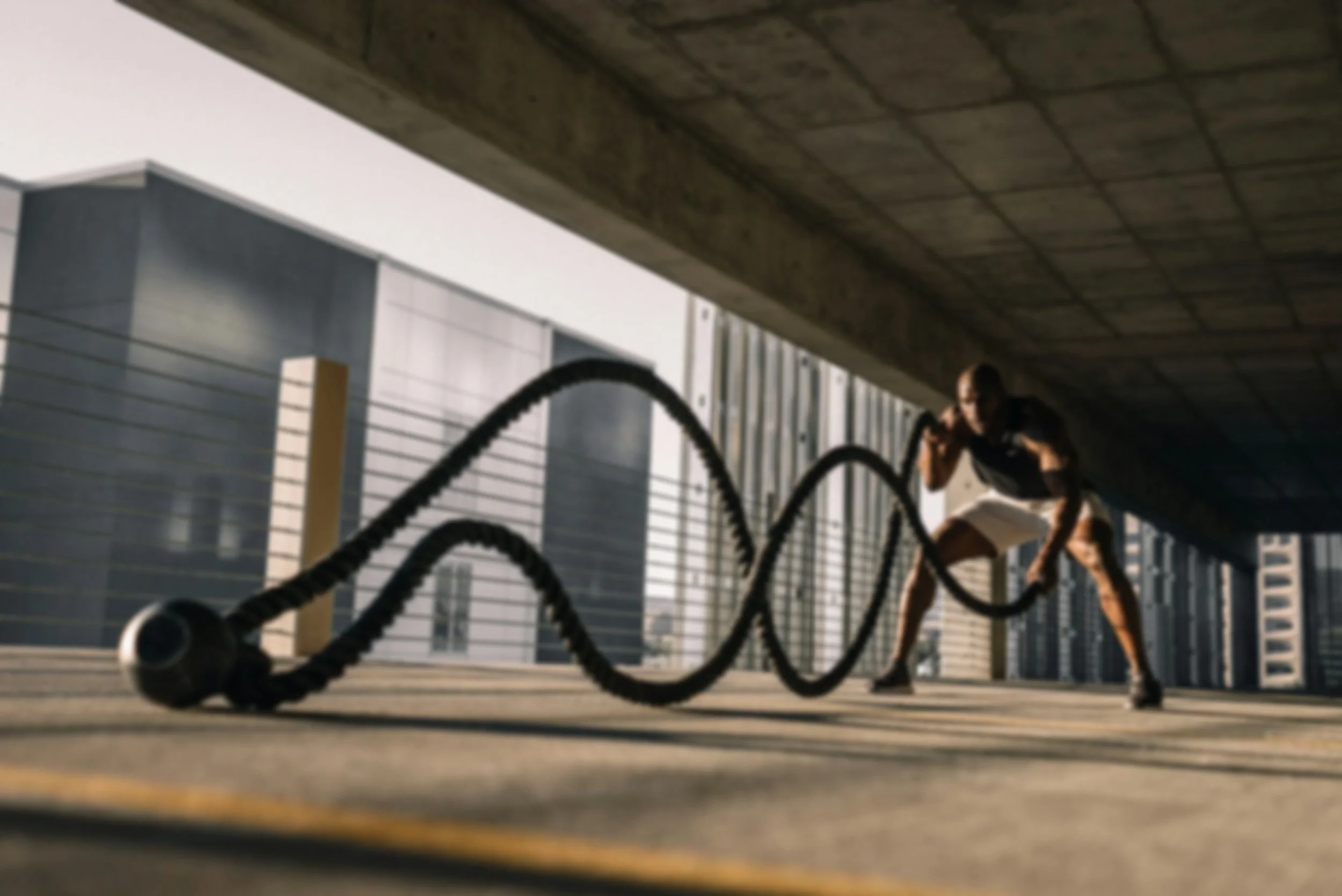
PERFORMANCE
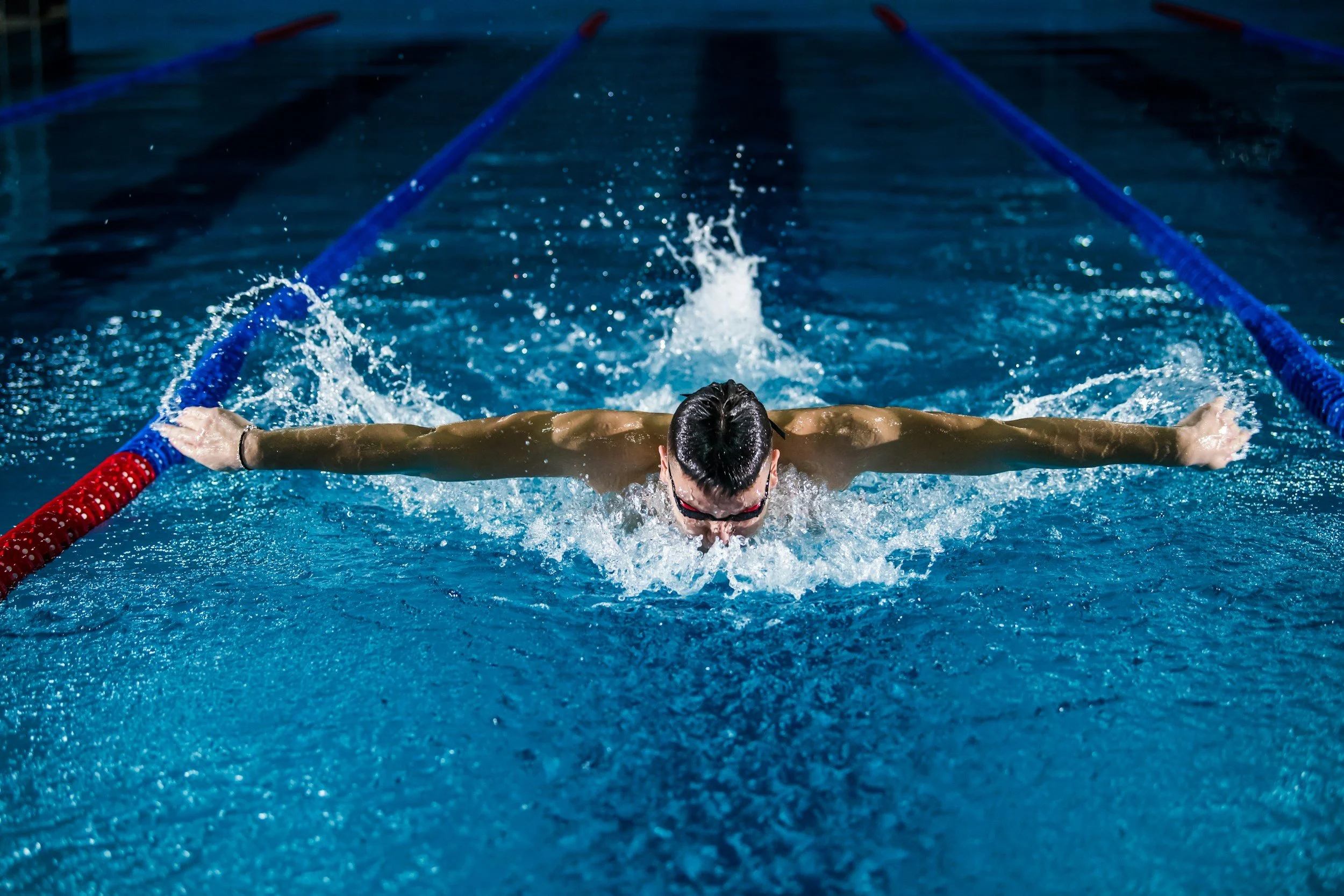
Performance is not only related to sports or athletes. It relates to every human being. Understanding fundamentals of human physiology is important not only to perform at the highest stage but also for everyday activities. Improving mobility and overall well-being while also building strong habits to enhance longevity.
-

STRENGTH TRAINING
Strength training is critical not only for athletes performance but also to preserve muscle mass as we age. The natural decline in strength and muscle mass as we age can impair the ability to perform daily activities, making strength training vital for any human being. This type of training is essential for athletes neuromuscular coordination, enhancing speed, agility, vertical jumping, explosiveness, etc.
-
SPEED TRAINING
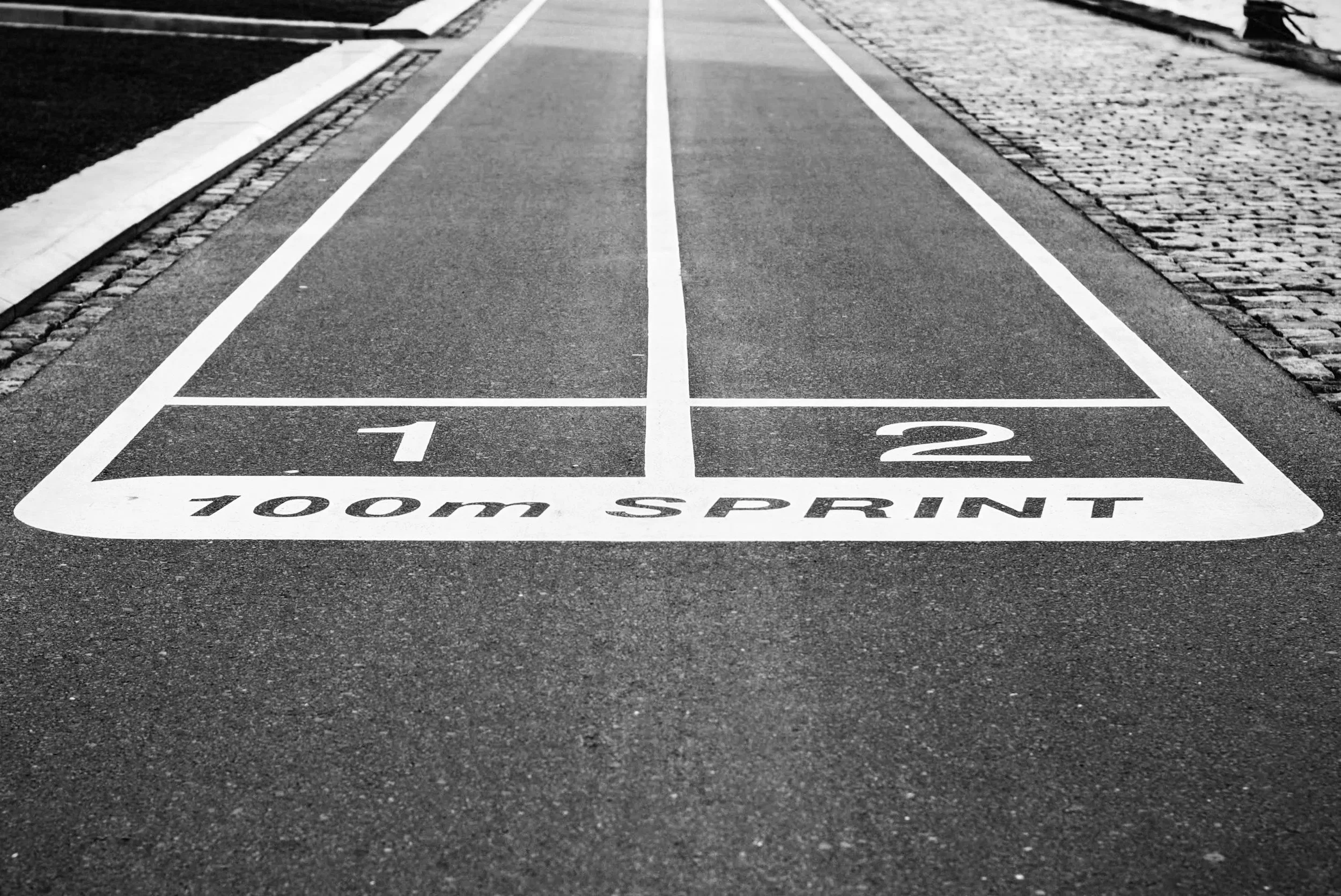
Speed training is a crucial component for athletic development. It extends far beyond running speed, enhancing overall performance by improving the body’s efficiency to use oxygen at a given pace. This type of training also improves neuromuscular coordination, balance, and proprioception, all essential for performance and injury prevention. Combined with strength training, it can significantly slow the natural loss of fast-twitch muscle fibers, preserving stride length and performance over time.
-

ENDURANCE TRAINING
Endurance training is a fundamental factor for improving both cardiovascular and muscular endurance. It enhances the efficiency of the heart, lungs, and circulatory system, allowing the body to utilize oxygen more effectively during prolonged physical exertion. This method of training is not only crucial for performance but also supports management of existing health conditions and reduces the risk of chronic diseases. The health benefits extend further, improving mental health and reducing stress and anxiety through the release of endorphins.
-

MOBILITY TRAINING
Proper mobility is crucial for all human beings. As it enhances the ability to move intentionally through daily activities. This type of training is essential for improving movement quality, reducing risk of injury and supporting long-term joint health. Consistent practice, even in short sessions, can lead to significant improvements in range of motion, neuromuscular coordination, and physical functions. It is of paramount importance to achieve optimal soft tissue extensibility in all planes of motion.
-
SPORT SPECIFIC TRAINING
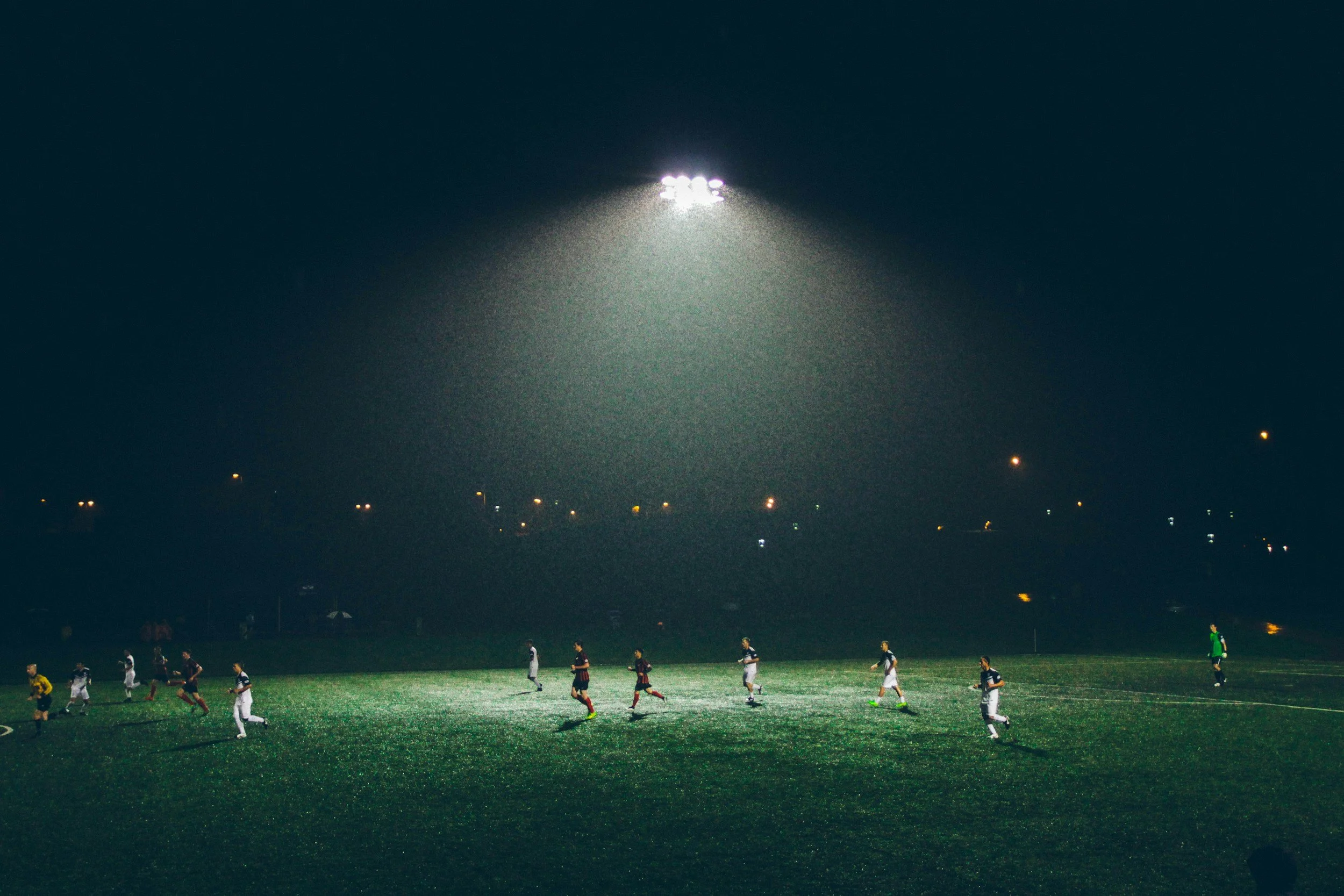
Sport-specific training is key for athletes trying to maximize on-field performance, enhance athletic abilities, and reduce injury risk by targeting the unique physical demands of their sport. This approach of training ensures that training directly translates to improved performance, power, speed and endurance in competitive settings. Sessions are adjusted based on athlete’s progress while identifying individual strengths and weaknesses for targeted improvement.
-